
Is Reiki the same as massage?
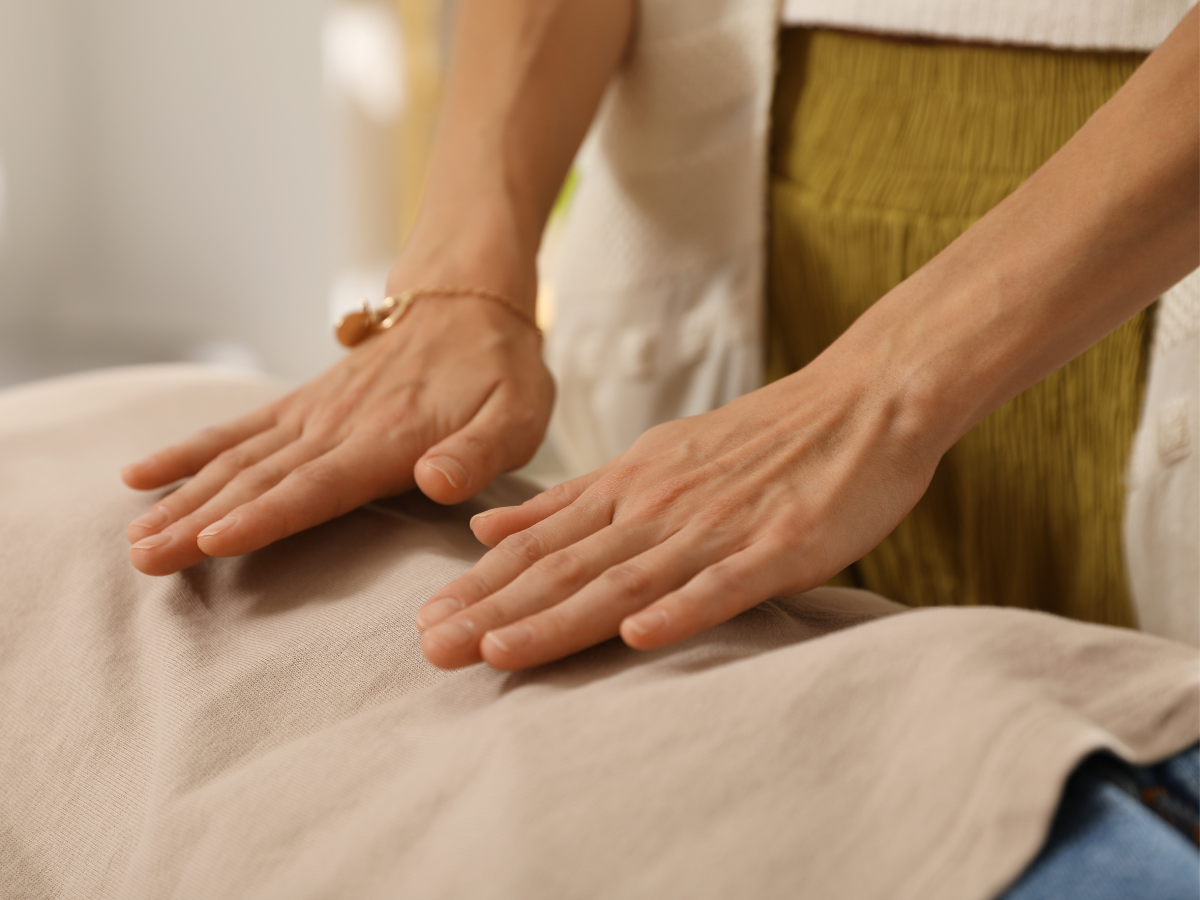
Understand the key differences, what happens during a Reiki session, and how to decide which is right for you.
People often ask whether Reiki is the same as massage—or whether a Reiki session includes massage. While both are wonderful forms of self-care and can promote relaxation and well-being, they meet different needs. Reiki healing is a gentle, non-invasive practice that focuses on relaxation, energetic balance, and overall well-being rather than physical manipulation of the muscles.
The biggest difference is that massage works with the physical body, while Reiki works with the body's energy system.
Massage uses pressure, stretching, and kneading to release muscle tension, improve circulation, and ease physical discomfort. If you're experiencing sore muscles, stiffness, or chronic pain, massage may be exactly what your body needs.
Reiki (pronounced ray-key) is a gentle Japanese practice that supports relaxation, stress reduction, and the body's natural healing processes. As part of a holistic health approach, Reiki can provide space to care for the mind, body, and spirit together.During a Reiki session, clients remain fully clothed while the practitioner places their hands lightly on or just above the body. There is no massage or muscle manipulation.
Although gentle touch may be used, Reiki can also be offered without physical contact. In fact, Reiki can be practiced from a distance because it works with life force energy rather than the physical body.
How Does Reiki Work?
Reiki is based on the understanding that all living things are supported by life force energy. Stress, grief, anxiety, and difficult life experiences can leave us feeling depleted and out of balance. Reiki is intended to help restore energetic harmony by channeling this life force energy where it is most needed.
Reiki supports the body's own capacity to heal and rebalance. As the nervous system settles into a state of rest, many people notice that their thoughts begin to quiet, their breathing slows, and they experience a greater sense of calm and clarity.
Because Reiki encourages the body to shift into the parasympathetic ("rest, digest and restore") state, it can be especially supportive during times of:
Anxiety or chronic stress
Grief and loss
Burnout or overwhelm
Life transitions
Emotional exhaustion
Difficulty relaxing or sleeping
Whether you're seeking relief from stress, navigating a season of change, or simply longing for a moment of deep rest, Reiki offers an invitation to slow down, reconnect with yourself, and support your body's natural capacity for healing.
What Happens During a Reiki Session?
If you've never experienced Reiki healing before, it's natural to wonder what to expect. The good news is that Reiki is gentle, non-invasive, and deeply relaxing.
Preparing for Your Session
There is nothing you need to do to prepare, except wear comfortable, loose-fitting clothing that helps you feel at ease. You'll remain fully clothed throughout the session.
After a brief conversation about how you're feeling and what you'd like to receive from the session, you'll lie comfortably on a massage table (or sit in a chair if needed). As you settle in, we might talk about using essential oils, and when you are ready, you can close your eyes if that feels comfortable and begin to notice your breath.
Reiki is an opportunity to pause, rest, and receive. There is nothing you need to "do."
During the Session
Using a series of gentle hand positions, I'll place my hands lightly on or just above different areas of your body. Unlike massage, there is no manipulation of muscles or deep pressure.
Depending on your needs, I may also incorporate mindfulness, grounding practices, breath awareness, or other gentle techniques that support relaxation and help create a nurturing, restorative experience.
Throughout the session, my intention is to offer a calm, safe space where your nervous system can settle and your mind, body, and spirit can begin to restore balance.
What Will I Feel?
Every Reiki experience is unique.
Some people notice warmth, tingling, gentle waves of energy, or a feeling of lightness. Others experience a profound sense of peace or become so relaxed that they fall asleep.
Your body may shift from sympathetic (fight-or-flight) to parasympathetic activation (rest and digest). The vagus nerve is stimulated when you deeply relax, telling your body it is safe to slow the heart rate and lower blood pressure.
This shift naturally stimulates the salivary glands and digestive tract. Your tummy might grumble, and you may notice more swallowing.
Physical or emotional letting-go during energy work can trigger involuntary responses like sighing or yawning as the nervous system resets.
Some people don't notice any physical sensations at all. Every response is perfectly normal.
You don't have to feel energy moving for Reiki to be beneficial. The invitation is to remain open, breathe naturally, and allow yourself to rest.
After Your Session
Some people find that as their body relaxes, their thoughts begin to quiet as well. They leave feeling calmer, more grounded, emotionally lighter, and better able to meet the challenges of everyday life.
People can feel deeply relaxed immediately afterward. Others notice subtle shifts over the next several days—greater clarity, emotional release, improved sleep, or simply a renewed sense of calm.
Again, some people don’t notice anything specific.
Each person's experience is unique, and there is no "right" way to experience Reiki.
Whether you come seeking relief from stress, support during a life transition, or simply a quiet space to reconnect with yourself, my hope is that you'll leave feeling cared for, grounded, and more connected to your own inner wisdom.
With Reiki, we create space for your mind, body, and spirit to settle, reconnect, and remember the wholeness that is always there.
