
What Does an End-of-Life Doula Do? (And When Should You Hire One?)
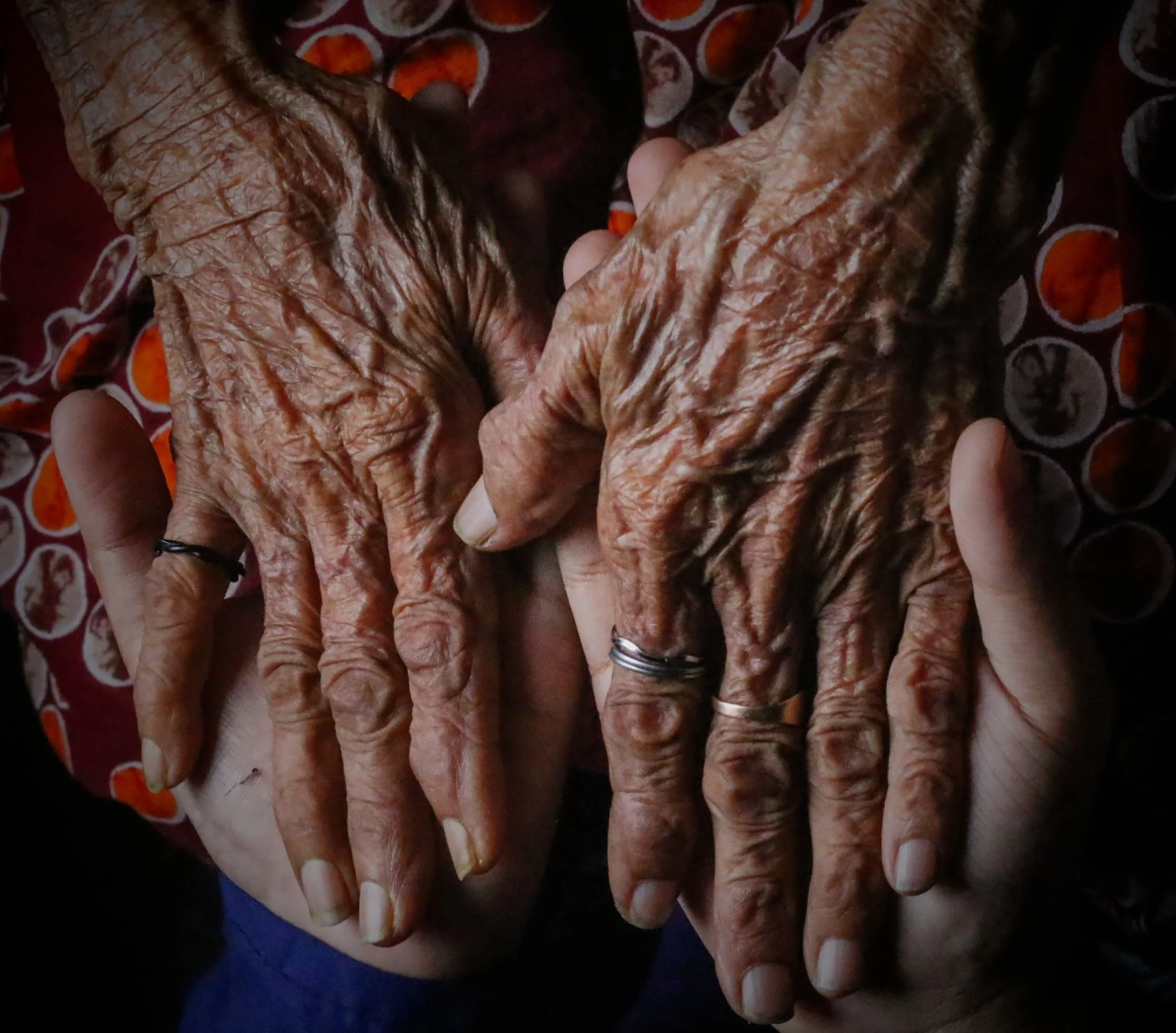
When someone receives a life-limiting diagnosis, families often feel as though they've been dropped into unfamiliar territory. There are medical appointments, difficult decisions, changing roles, and emotions that can feel hard to grapple with.
Amid all of that, one thing can be very helpful… a calm, steady presence.
That is one of the greatest gifts an End-of-Life Doula offers.
Most people have heard of a birth doula. There are also doulas who support people at the other end of life's journey.
End-of-Life Doula Support: What to Expect
An End-of-Life Doula (or Death Doula) offers compassionate, non-medical support to individuals who are living with a serious illness or approaching the end of life, as well as to the family members and loved ones who are walking alongside them.
An End-of-Life Doula focuses on the human experience—offering presence, guidance, practical support, and emotional companionship during one of life's most tender transitions.
My role is to meet you where you are and provide the support that feels most meaningful. That might include:
Sitting quietly with someone who doesn't want to be alone.
Holding space for difficult conversations.
Helping families talk openly about wishes, fears, and hopes.
Planning and preparation.
Offering emotional support to both the person who is dying and those who love them.
Guiding legacy projects such as letters, memory books, audio recordings, or life review.
Providing compassionate support for caregivers.
Offering mindfulness and grounding practices that can ease anxiety and bring moments of peace.
Helping create a calm, comforting environment that reflects what matters most during this time.
Sometimes my role is active. Sometimes it's a compassionate presence, but my hope is always to support people in living as fully and authentically as possible through every stage of the journey.
What an End-of-Life Doula Does Not Do
An End-of-Life Doula is not a medical provider. I don't diagnose illnesses, administer medications, perform clinical care, or provide legal or financial advice.
Instead, I work alongside other members of a care team, offering support that complements—not replaces—their expertise.
When Should You Hire an End-of-Life Doula?
One of the biggest misconceptions is that you should wait until the final days of life.
In reality, the earlier support begins, the more opportunities there are to build trust, explore meaningful conversations, reduce uncertainty, and help everyone involved feel more prepared.
Sometimes people reach out because they have received a serious diagnosis and are trying to make sense of what lies ahead.
Some are caring for a loved one and feel overwhelmed by the emotional, physical, and practical demands of caregiving while trying to balance work, children, and everyday life.
Some families feel unprepared and don't want to navigate this season alone. They are not sure what questions to ask and worry about saying the wrong thing. Maybe they're exhausted from caregiving while trying to balance work, children, and everyday responsibilities.
Some aren't sure how to begin difficult conversations, or how to honor the wishes of someone they love.
Some long for a calm, steady presence—someone who can listen without judgment, sit comfortably with uncertainty, and offer compassionate guidance through unfamiliar territory.
You don't need to know exactly what kind of support you need. We begin with a conversation, and together discover what would feel most helpful for you and your family.
Having an End-of-Life Doula doesn't remove the sadness or uncertainty of the journey, but it can help families feel less alone as they move through it.
My Approach
As an End-of-Life Doula, I bring together compassionate presence, wellness coaching, mindfulness, and practical guidance to support both the individual and the family.
There is no roadmap that fits every person or every family. My role is to meet you where you are, honor what matters most to you, and offer a calm, steady presence as we navigate the unknown together.
If you're wondering what support might look like, I'm happy to have a conversation. Together, we can explore what would feel most helpful for you and your family, and whether an End-of-Life Doula is the right fit for your situation.
